Source Eco Friendly Home Use Power Rack for Gym and Community
Compare 30 eco friendly home use power rack options from verified manufacturers. These manual steel units feature CE and ISO certifications, suitable for home gyms, commercial facilities, and community centers. Review specifications like weight and dimensions to find the right fit.
Key considerations
Products List




Comprehensive Sourcing Guide
Eco Friendly Home Use Power Rack Sourcing Guide
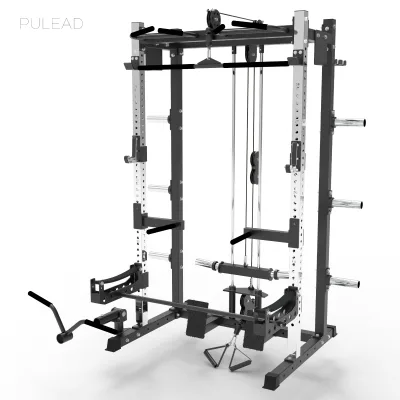
Sourcing an eco-friendly home use power rack requires balancing structural integrity with sustainable material choices, particularly when evaluating steel-based fitness equipment for residential environments. Buyers must recognize that "eco-friendly" in this context often refers to durable, long-lasting construction that reduces waste, rather than biodegradable components. The observed market data indicates a strong preference for steel materials, specifically Q235 steel tubes, which offer high tensile strength and longevity. This durability is a key component of sustainability, as it ensures the equipment remains functional for decades, minimizing the need for frequent replacements. Procurement teams should prioritize suppliers who demonstrate transparent sourcing of raw materials and efficient manufacturing processes that reduce energy consumption during production.
Furthermore, the term "home use" implies a need for compact, versatile designs that fit within residential spaces while supporting serious training routines. The observed listings show a variety of configurations, from unfolded units weighing up to 280kg to more compact, folded options. Buyers should assess whether the rack’s footprint and weight align with their specific space constraints and floor load capacities. It is crucial to verify that the "eco-friendly" claims are supported by tangible attributes, such as non-toxic powder coatings and recyclable packaging materials like carton or plywood cases. Understanding these nuances helps buyers select racks that are not only environmentally responsible but also practically suited for home gym installations, ensuring a safe and efficient workout environment.
Product Scope and Observed Listing Signals
The current market for home use power racks presents a diverse range of options, with observed prices spanning from $2 to $1,250 USD and minimum order quantities (MOQs) ranging from 1 to 500 units. This wide price variance reflects differences in material thickness, tube dimensions, and additional features such as customization options. For instance, some models feature standard dimensions like 123018002300mm, while others offer larger footprints up to 224020002470mm. Buyers should carefully evaluate these specifications against their intended use, noting that heavier units, such as those weighing 280kg, typically indicate commercial-grade durability suitable for high-intensity home training. The presence of customization options allows buyers to tailor color schemes, such as matte black or multi-color designs, to match their home decor.
Additionally, the observed listings highlight various power sources, with manual operation being the standard for these racks. This simplicity is a significant advantage for home users, as it eliminates the need for electrical connections and reduces maintenance requirements. The equipment is designed for unisex use and targets adult age groups, focusing on chest and arm exercises. Buyers should pay attention to the folded status of the racks, as some models are designed to remain unfolded for stability, while others offer folding capabilities for space-saving. Understanding these signals helps buyers narrow down their search to racks that meet their specific functional and aesthetic requirements, ensuring a successful procurement outcome.
Technical Specifications to Verify
When verifying technical specifications, buyers must focus on the structural integrity of the steel tubes, which are critical for safety and performance. The observed data indicates the use of Q235 steel, with tube sizes ranging from 50502.0mm to 50100mm. These dimensions directly impact the rack’s load-bearing capacity and stability. Buyers should request detailed engineering drawings or technical sheets to confirm that the tube thickness and wall dimensions meet their safety standards. Additionally, the overall dimensions of the rack, such as 131411102600mm or 128148*212cm, must be verified to ensure compatibility with the available space. It is essential to confirm that the specified dimensions include all necessary attachments and accessories, avoiding unexpected space constraints during installation.
Furthermore, the weight of the rack is a key indicator of its stability and build quality. Observed weights range from 59kg to 280kg, with heavier units generally offering better stability during heavy lifts. Buyers should consider the weight in conjunction with the rack’s dimensions to assess its overall robustness. The packing method, whether carton or plywood case, also plays a role in protecting the equipment during transit. Buyers should verify that the packing materials are sufficient to prevent damage, especially for larger and heavier racks. By meticulously checking these technical specifications, buyers can ensure that the power rack they procure meets their performance expectations and safety requirements.
Compliance and Safety Documentation
Compliance and safety are paramount when sourcing power racks, particularly for home use where users may lack professional supervision. The observed listings frequently mention certifications such as CE and ISO, which are essential for verifying that the equipment meets international safety and quality standards. Buyers should request copies of these certificates to ensure they are valid and issued by recognized bodies. The presence of ISO9001 certification indicates a commitment to quality management systems, which can be a strong indicator of consistent manufacturing quality. Additionally, buyers should verify that the powder coatings and materials used are non-toxic and free from harmful chemicals, aligning with eco-friendly claims.
Moreover, safety documentation should include detailed assembly instructions and weight capacity ratings. Buyers should ensure that the rack’s design includes safety features such as spotter arms or safety bars, which are crucial for preventing injuries during solo workouts. It is also important to verify that the rack’s construction adheres to relevant structural standards, ensuring it can withstand dynamic loads without failure. Buyers should ask suppliers for test reports or third-party verification of the rack’s stability and durability. By prioritizing compliance and safety documentation, buyers can mitigate risks and ensure that the power rack they procure is safe for home use.
Cost Drivers and Commercial Terms
Cost drivers for home use power racks include material costs, manufacturing complexity, and shipping logistics. The observed price range of $2 to $1,250 USD reflects these variables, with higher prices typically associated with thicker steel tubes, larger dimensions, and additional features. Buyers should analyze the cost breakdown to understand where the majority of the expense lies, whether in raw materials or labor. Customization options, such as specific color schemes or branding, can also impact the final price. Additionally, the MOQ plays a significant role in pricing, with lower MOQs often resulting in higher per-unit costs. Buyers should negotiate terms that balance cost efficiency with their volume requirements.
Commercial terms, including delivery time and payment conditions, are also critical factors. The observed delivery time of within 25 days after receiving the deposit is a standard benchmark, but buyers should confirm this timeline with their supplier. Payment terms, such as the percentage of the deposit required, should be clearly defined to avoid cash flow issues. Buyers should also consider the port of loading, with Tianjin being a common option, as this can affect shipping costs and transit times. By understanding these cost drivers and commercial terms, buyers can make informed decisions that align with their budget and timeline constraints.
Supplier Qualification and Quality Control
Supplier qualification is a crucial step in ensuring the reliability and quality of the procured power racks. Buyers should verify the supplier’s manufacturing capabilities, including their production capacity and quality control processes. The observed data indicates that suppliers are located in regions such as Shandong and Jiangsu in China, which are known for their manufacturing expertise. Buyers should request information about the supplier’s factory audits, including their adherence to safety and environmental standards. Additionally, buyers should assess the supplier’s experience in exporting to global markets, as this can indicate their ability to meet diverse regulatory requirements.
Quality control measures should be clearly defined and enforced throughout the production process. Buyers should request samples or conduct pre-shipment inspections to verify that the racks meet the specified technical and aesthetic requirements. It is also important to verify that the supplier uses consistent materials, such as Q235 steel, and adheres to the specified tube dimensions. Buyers should establish clear communication channels with the supplier to address any quality issues promptly. By prioritizing supplier qualification and quality control, buyers can ensure that they receive high-quality power racks that meet their expectations.
Long-Term Procurement Checks
Long-term procurement checks involve monitoring the performance and durability of the power racks after delivery. Buyers should establish a feedback loop with end-users to gather insights on the rack’s performance, including its stability, ease of assembly, and overall satisfaction. This feedback can help identify any recurring issues or areas for improvement, allowing buyers to make informed decisions for future purchases. Additionally, buyers should monitor the supplier’s performance over time, including their ability to meet delivery deadlines and maintain consistent quality. This ongoing evaluation helps build a reliable supply chain and ensures that the procured equipment continues to meet the buyers’ needs.
Furthermore, buyers should stay updated on industry trends and technological advancements in power rack design. This includes monitoring changes in material science, such as the development of more sustainable steel alloys or eco-friendly coatings. By staying informed, buyers can proactively adapt their procurement strategies to incorporate new innovations and sustainability practices. Regular reviews of the procurement process, including cost analysis and supplier performance, help identify opportunities for optimization. By implementing these long-term checks, buyers can ensure that their procurement efforts remain aligned with their strategic goals and market demands.
FAQs
What certifications do these power racks have?
These power racks carry CE and ISO certifications, ensuring compliance with international safety and quality standards. The products are also RoHS compliant, indicating restricted hazardous substances. This documentation supports global export requirements and provides assurance for commercial and home gym installations regarding material safety and manufacturing quality.
Can I customize the color of the power rack?
Yes, customization is available for these power racks. Buyers can select from standard colors like matte black, black, red, or blue, or request specific custom colors to match their facility branding. This flexibility allows for tailored aesthetic integration into various home, community, or commercial gym environments while maintaining structural integrity.
What is the delivery time for these units?
The delivery time is within 25 days after receiving the deposit. This lead time applies to the manufacturing and preparation of the power racks for shipment. Buyers should account for this period when planning facility setups, ensuring that the equipment arrives in time for scheduled gym openings or inventory replenishment needs.
How are the power racks packed for shipping?
The power racks are packed in either carton packing or plywood cases, depending on the specific model. This robust packaging protects the steel components during transit. The packing method ensures that the heavy equipment, weighing up to 280kg, arrives safely without damage, facilitating easier handling and installation at the destination site.
What is the origin of these power racks?
These power racks originate from China, specifically from regions like Shandong Dezhou and Ningjin Dezhou. The products are manufactured by brands such as Tianzhan, leveraging established industrial capabilities in these areas. This origin supports global export markets, providing reliable supply chains for international buyers seeking cost-effective and durable fitness equipment solutions.